The Future of Remote Education Consultancy: Trends and Insights
The Rise of Remote Education Consultancy
The landscape of education has undergone significant transformation in recent years, with remote learning becoming a staple in the educational journey. As schools and universities continue to adapt, the demand for remote education consultancy has surged. Consultants in this field are tasked with providing innovative strategies to enhance virtual learning experiences, ensuring that educators and students can thrive in a digital environment.
Remote education consultants offer tailored solutions to institutions, helping them navigate the complexities of online learning platforms. Their expertise is crucial in developing effective curricula, training educators, and implementing technology solutions that promote engagement and accessibility.

Technological Advancements Shaping the Future
Technology plays a pivotal role in shaping the future of remote education consultancy. With advancements in artificial intelligence, machine learning, and virtual reality, consultants are equipped with tools to create more personalized and immersive learning experiences. These technologies enable the development of adaptive learning paths, catering to individual student needs and fostering a more inclusive educational environment.
Moreover, the integration of analytics tools allows consultants to gather insights into student performance, providing data-driven recommendations to enhance learning outcomes. By leveraging these technologies, remote education consultants can offer more precise and effective solutions to educational institutions.

Trends in Remote Education Consultancy
Several trends are emerging in the field of remote education consultancy, reflecting the evolving needs of the education sector. One such trend is the emphasis on flexibility and customization. Educational institutions are seeking consultants who can provide bespoke solutions tailored to their unique challenges and goals.
Another notable trend is the focus on professional development for educators. Consultants are increasingly tasked with designing training programs that equip teachers with the skills necessary to excel in a virtual classroom. This includes strategies for effective online communication, student engagement, and the integration of digital tools.
Insights into Effective Consultancy Practices
To succeed in remote education consultancy, professionals must adopt a holistic approach that considers the diverse needs of both educators and learners. This involves collaboration with stakeholders, continuous assessment of educational practices, and the ability to adapt to emerging technologies.
It is also essential for consultants to stay informed about the latest educational research and trends. By doing so, they can provide recommendations that are not only innovative but also grounded in proven methodologies.

The Role of Collaboration and Community Building
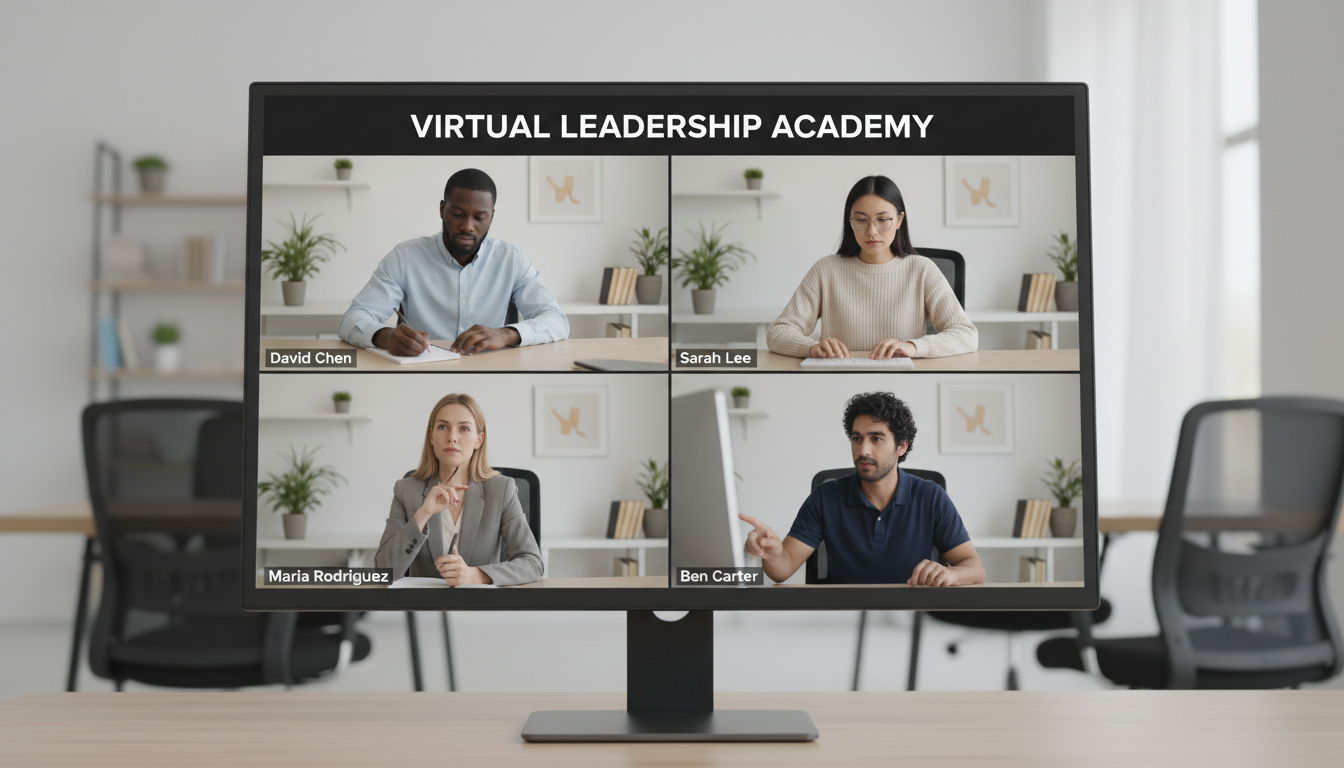
Building a strong sense of community is crucial in remote education. Consultants are focusing on strategies that foster collaboration among students and educators, despite the physical distance. This includes the creation of virtual communities where participants can share ideas, resources, and support.
Consultants are also advocating for the use of collaborative tools and platforms that facilitate interaction and teamwork. By promoting a community-centric approach, remote education consultants can help institutions create a more connected and supportive learning environment.

Conclusion: Preparing for a Dynamic Future
The future of remote education consultancy is dynamic and filled with potential. As technology continues to evolve and educational needs change, consultants must remain agile and forward-thinking. By embracing innovation and fostering collaboration, they can significantly impact the quality of remote education, paving the way for a more accessible and effective learning experience for all.