Transforming Traditional Materials into Modern E-Learning: A Comprehensive Guide
In today's fast-paced educational landscape, transforming traditional materials into modern e-learning resources is essential. This transition not only enhances learning but also makes education more accessible. Leveraging the potential of digital technology allows educators to create interactive and engaging content for learners worldwide.

Understanding the Basics of E-Learning Transformation
Before diving into the conversion process, it's crucial to understand what e-learning transformation entails. This process involves digitizing traditional educational materials, such as textbooks and lecture notes, and enhancing them with multimedia elements. The goal is to create a dynamic learning experience that caters to diverse learning styles.
Why Transform Traditional Materials?
The shift from traditional to digital is driven by several factors. Firstly, digital materials are easily accessible and can be updated in real-time. Secondly, multimedia elements, such as videos and interactive quizzes, enhance learner engagement. Lastly, e-learning platforms can track progress, providing valuable data for educators.

Steps to Convert Traditional Materials
Converting traditional materials into e-learning content involves several steps. By following a structured approach, educators can ensure a smooth transition:
- Assessment: Evaluate existing materials to determine what can be digitized.
- Content Structuring: Organize content logically to facilitate learning pathways.
- Multimedia Integration: Add videos, audio, and interactive elements to enhance engagement.
- Platform Selection: Choose an appropriate e-learning platform that supports your content.
- Testing and Feedback: Pilot the content with a test group to gather feedback and make necessary adjustments.
Choosing the Right Tools
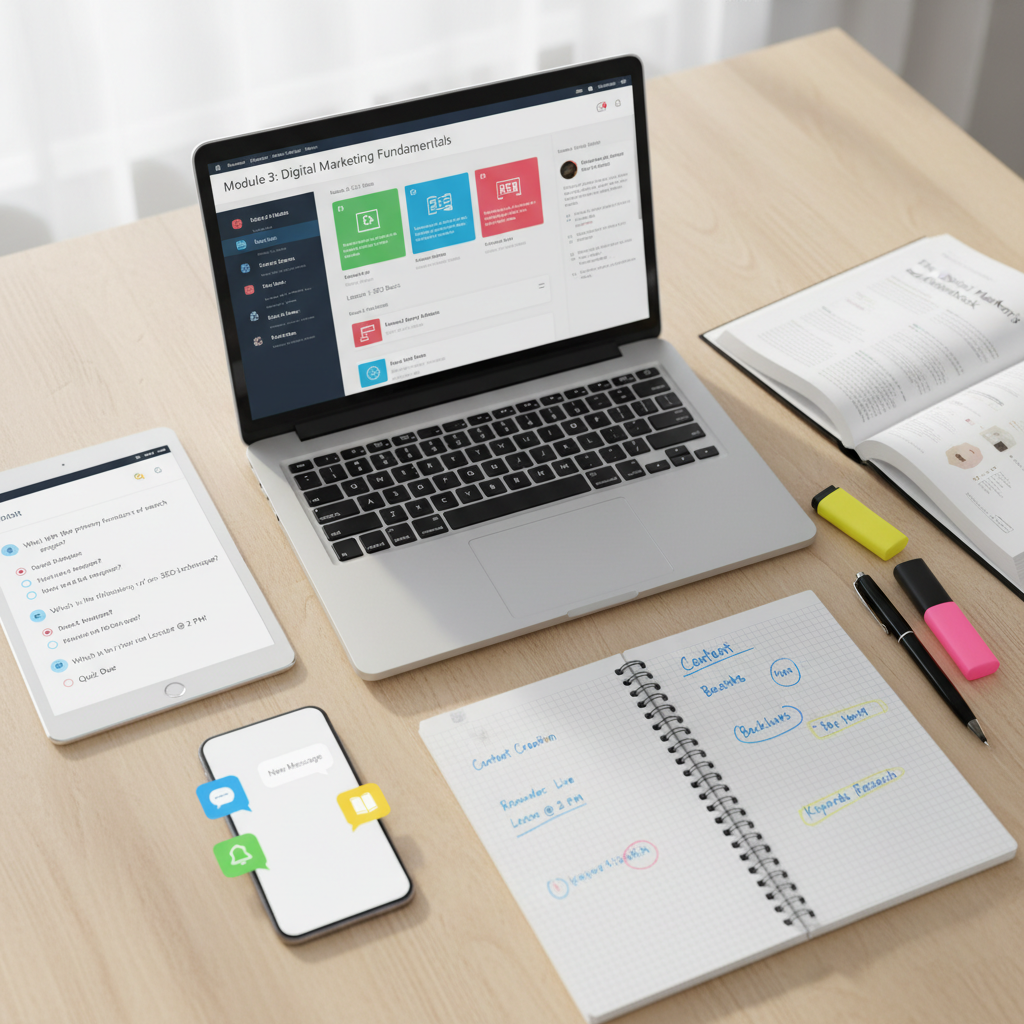
The success of e-learning transformation largely depends on the tools used. There are numerous software options available, each offering unique capabilities. It's important to choose tools that align with your educational goals and technical expertise. Popular options include learning management systems (LMS), authoring tools, and multimedia creation software.
Challenges and Solutions
While transforming traditional materials offers numerous benefits, it also presents challenges. Educators may face technical hurdles, such as software compatibility and digital literacy. Additionally, ensuring that content remains engaging in a digital format can be difficult.
Overcoming Common Obstacles
To overcome these challenges, educators should invest in professional development to enhance their technical skills. Collaborating with digital experts can also provide valuable insights. Furthermore, regularly updating content and incorporating feedback ensures that the e-learning experience remains relevant and effective.

In conclusion, transforming traditional materials into modern e-learning is a transformative process that requires careful planning and execution. By understanding the basics, following structured steps, and choosing the right tools, educators can create engaging and effective digital learning experiences. Embracing this change not only benefits learners but also paves the way for innovative educational practices.